Deck Building Guidelines for Safe and Long-Lasting Construction
Creating Outdoor Spaces Designed for Strength, Comfort, and Durability
A well-built deck can completely transform an outdoor space by creating an area for relaxation, gatherings, dining, and everyday enjoyment. Whether attached to a home or designed as a standalone feature in the yard, a deck often becomes one of the most frequently used parts of a property during warmer seasons. Because decks are exposed to weather, foot traffic, moisture, and changing temperatures throughout the year, proper planning and construction play a major role in determining how safe and durable the structure will remain over time. Strong design choices and careful building practices are essential for creating outdoor spaces that continue performing reliably for years. Following proper deck building guidelines helps ensure safety, durability, and long-term performance.
One of the most important aspects of deck construction is structural stability. A deck must be able to safely support weight while remaining resistant to movement, shifting, and long-term wear. Proper foundation work, framing, fastening systems, and support placement all contribute to the overall strength of the structure. Even visually attractive decks can develop serious safety concerns if core construction elements are overlooked or installed incorrectly. This is why experienced builders typically place heavy focus on engineering, support systems, and code compliance during the planning process.
Material selection also plays a major role in long-term performance. Different decking materials react differently to moisture, sunlight, temperature changes, and general exposure to outdoor conditions. Traditional wood decks offer a natural appearance but may require regular sealing, staining, and maintenance to protect against rot and deterioration. Composite materials have become increasingly popular because of their durability and reduced maintenance requirements. Choosing materials that fit both the environment and expected usage can help extend the lifespan of the deck while reducing future repair needs.
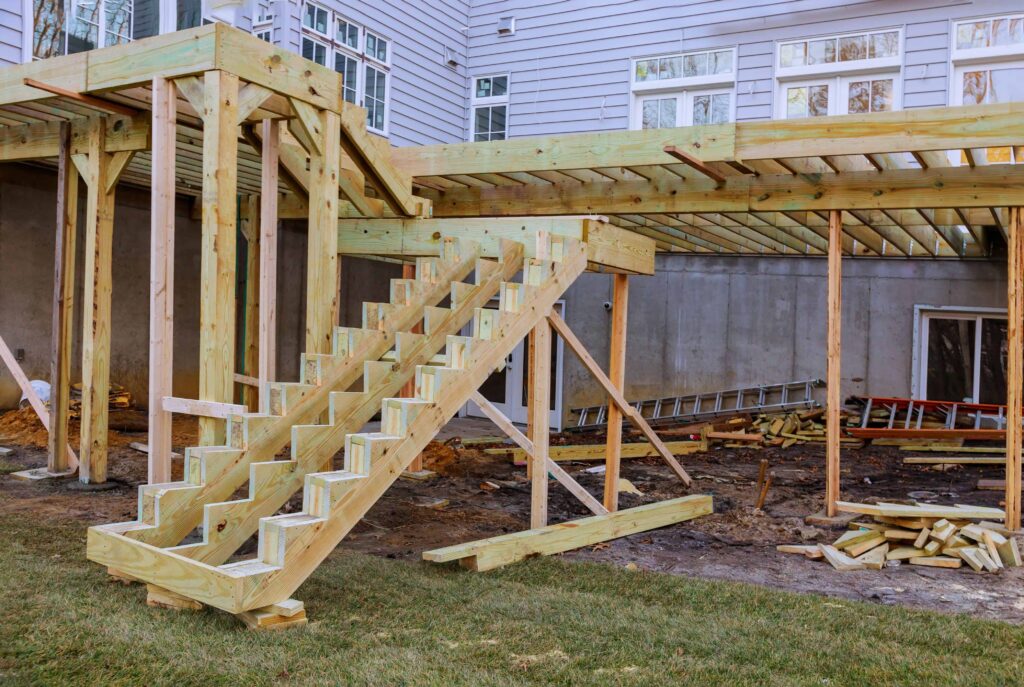
Safety features are equally important when designing functional outdoor living areas. Railings, stairs, lighting, and slip-resistant surfaces all contribute to making a deck safer for families and guests. Poorly designed stairs or loose railings can create hazards that become more serious as structures age. Proper spacing, secure connections, and high-quality hardware help improve both safety and long-term reliability. Attention to drainage and ventilation is also important because trapped moisture beneath a deck can gradually weaken structural components over time.
Many homeowners also focus on how the deck will integrate with the rest of the property. A thoughtfully designed outdoor space should complement the architecture of the home while supporting the way the space will actually be used. Some families prioritize entertainment and dining areas, while others want quiet spaces for relaxation and comfort. Careful planning helps balance appearance, functionality, and durability without sacrificing safety or structural quality.
As outdoor living spaces continue growing in popularity, homeowners are placing greater importance on construction methods that provide long-term value and reliability. Deck building guidelines focused on proper planning, strong materials, and safe construction practices help ensure outdoor spaces remain enjoyable and secure for years to come. Investing in quality craftsmanship and durable design often results in a deck that not only looks appealing but also performs safely through changing seasons and everyday use.
…