Cold-Weather Safety for European Cars
Winterizing Your European Vehicle for Reliable Driving
Winter brings unique challenges for European cars, which are engineered with precision, advanced electronics, and performance-tuned systems that demand extra care in cold conditions. Low temperatures, ice, and road salt put additional strain on components, from the battery and tires to fluids and sensors. Fuel, particularly diesel, can gel in extreme cold, oil can thicken, and sensitive electronic systems may react unpredictably. Proper preparation is essential to keep these vehicles running smoothly and prevent expensive repairs. Investing time in pre-winter inspections, using high-quality fluids, and paying attention to electronics can make the difference between a reliable drive and a frustrating breakdown, and winter European car care Bend OR specialists can provide guidance tailored to these sophisticated vehicles.
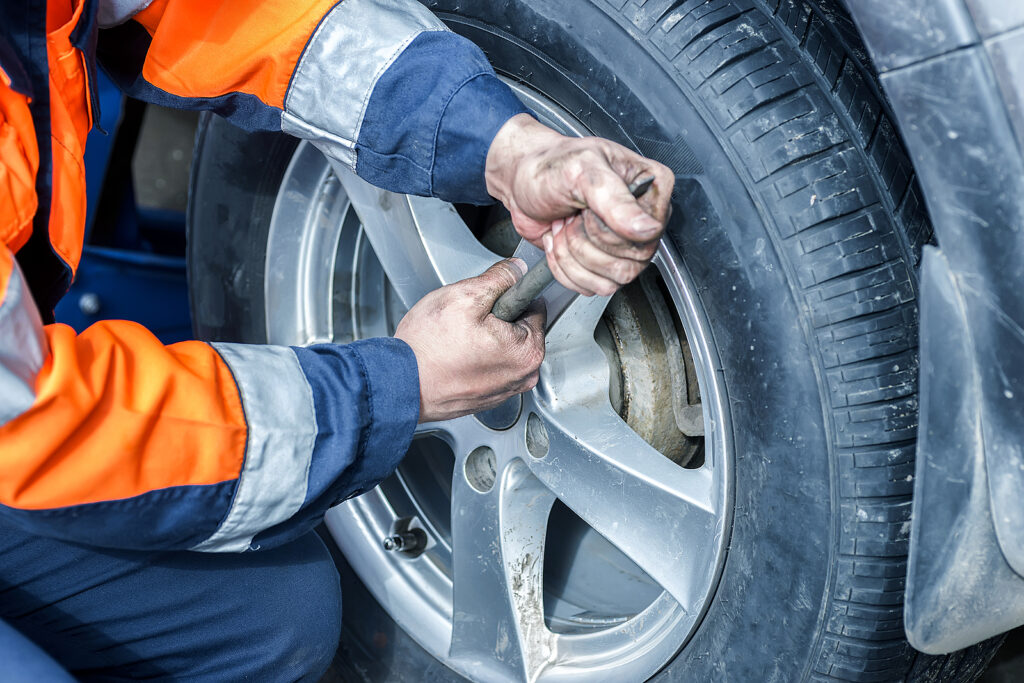
Tires are the first line of defense against winter hazards. Winter-rated tires designed for European vehicles not only provide better traction on snow and ice but also help maintain precise handling, which is critical for performance cars with advanced suspension systems. Tire pressure must be checked regularly, as cold temperatures can cause it to drop, affecting grip and fuel efficiency. Rotating tires and monitoring tread depth ensures that every wheel responds predictably in slippery conditions. Paired with the right winter tire, electronic stability systems and anti-lock brakes can operate at their full potential, enhancing both safety and driving confidence.
Battery performance is another key concern for European vehicles in winter. Cold weather reduces battery capacity, making it harder to start engines that rely on complex electronic systems. Regular battery checks, ensuring secure connections and considering a higher-capacity battery if needed, can prevent unexpected failures. At the same time, fluids like engine oil, brake fluid, and coolant should be appropriate for low temperatures, maintaining proper flow and protection. Diesel owners should add anti-gelling additives, while gasoline engines benefit from high-quality winter oils, ensuring smooth operation even in freezing conditions. Attention to these details keeps engines reliable and reduces wear on sensitive components.
Electronic systems, often more advanced in European cars, require careful monitoring in winter months. Sensors, wiring, and control modules can be affected by moisture, cold, and road salt. Cleaning, inspection, and sometimes updating software or calibration can prevent errors and maintain the performance Europeans are known for. Lights should be checked and cleaned regularly, as visibility is crucial during snowstorms and darker winter days. Even small preventive measures, like clearing snow from sensors and cameras, can ensure that driver assistance features function as intended, contributing to both safety and peace of mind.
Following a structured approach to winter preparation transforms potentially risky driving conditions into manageable, safe experiences. By focusing on tires, battery, fluids, and electronics, owners can maintain the performance, safety, and longevity of their European vehicles throughout the season. Professional winter European car care Bend OR services offer specialized inspections, the right fluids, and expert advice, helping drivers navigate winter roads with confidence. Investing in these preventive steps not only avoids costly repairs but also ensures that every drive, from daily commutes to long weekend trips, remains smooth, predictable, and enjoyable.
…